The international Elephant Parade® combines art with social engagement and raises awareness worldwide of the need to protect Asian elephants. Elephant sculptures, individually designed by artists and public figures, transform public spaces into colourful exhibition venues and convey the message of species conservation to the public.
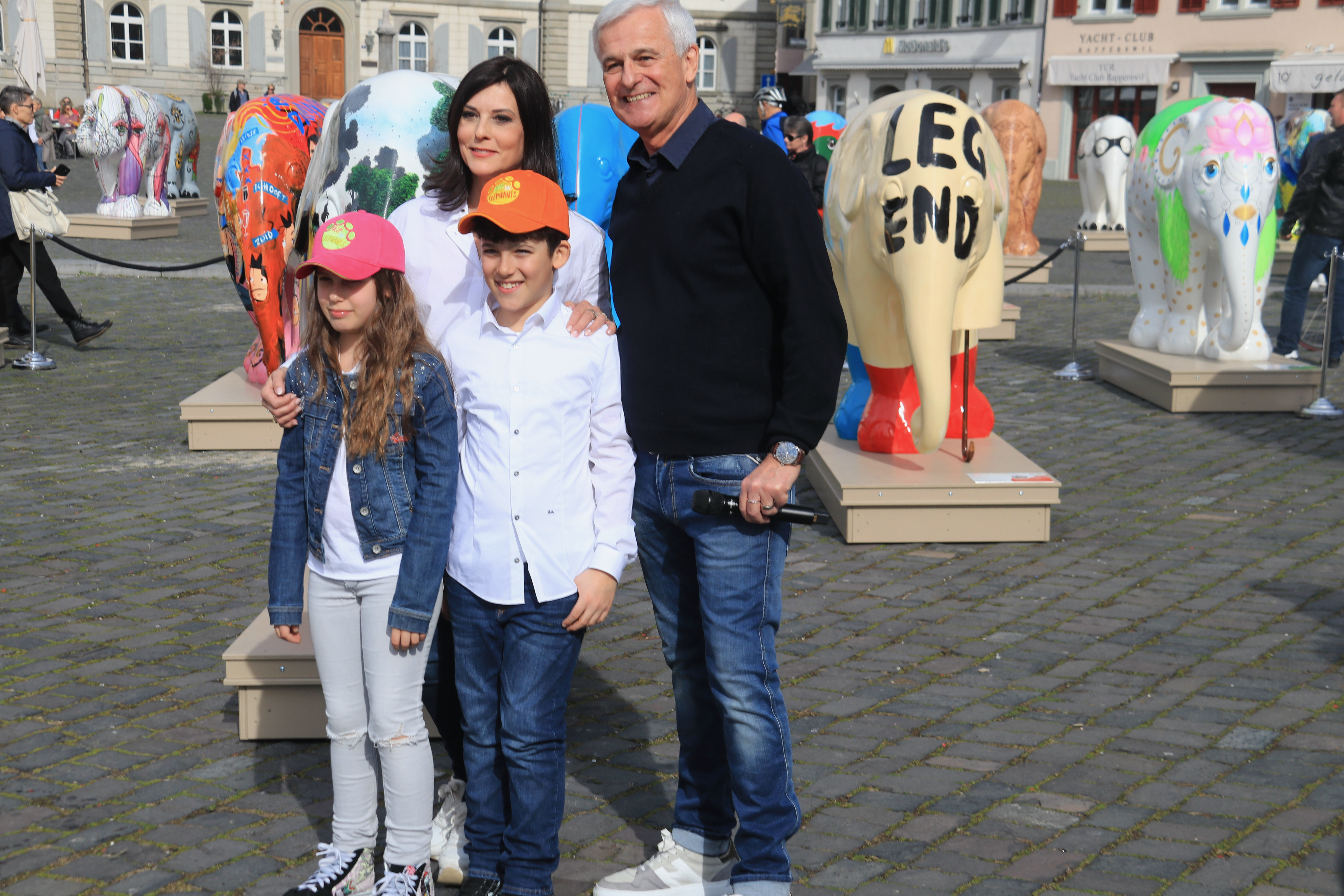
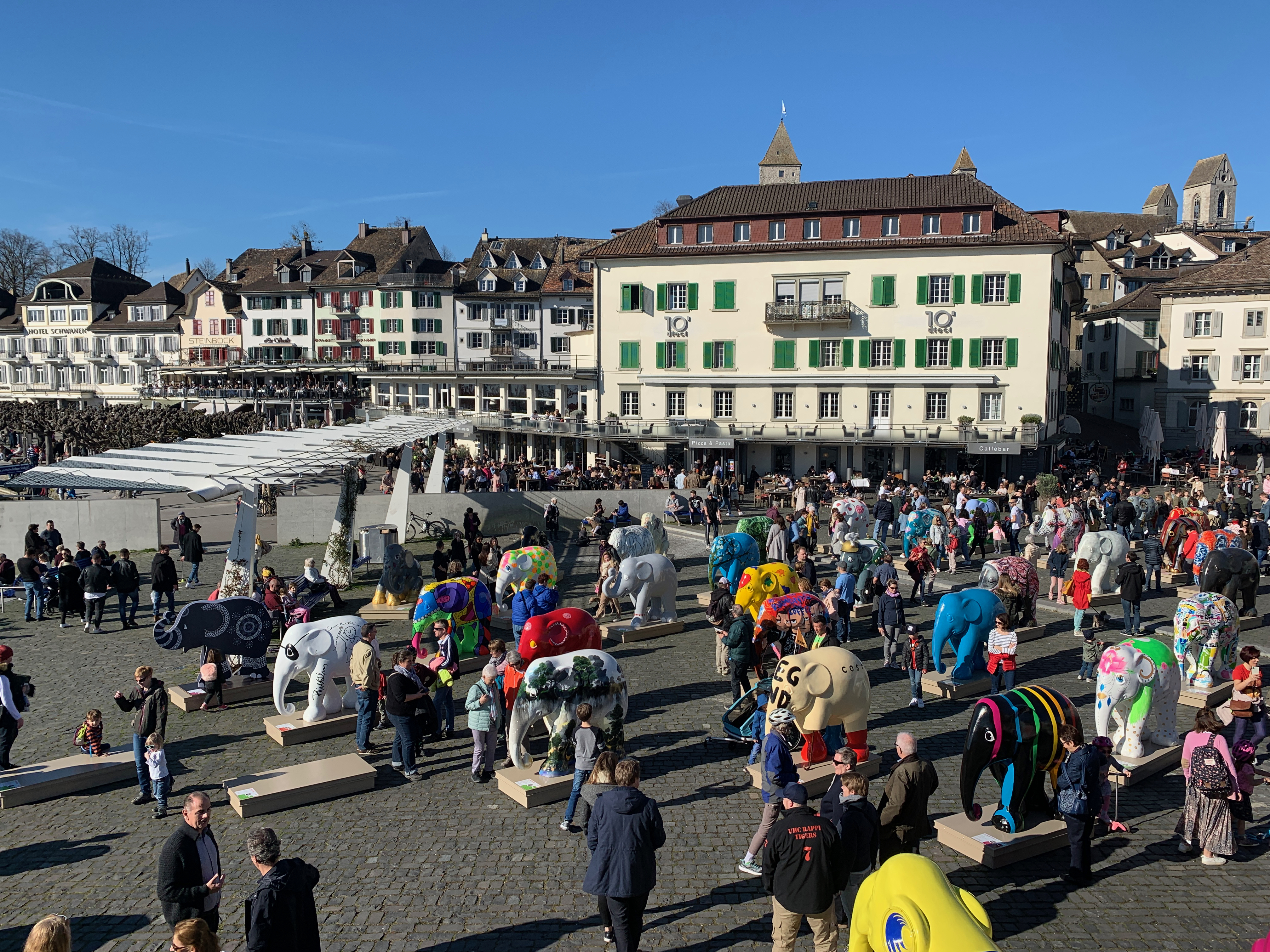
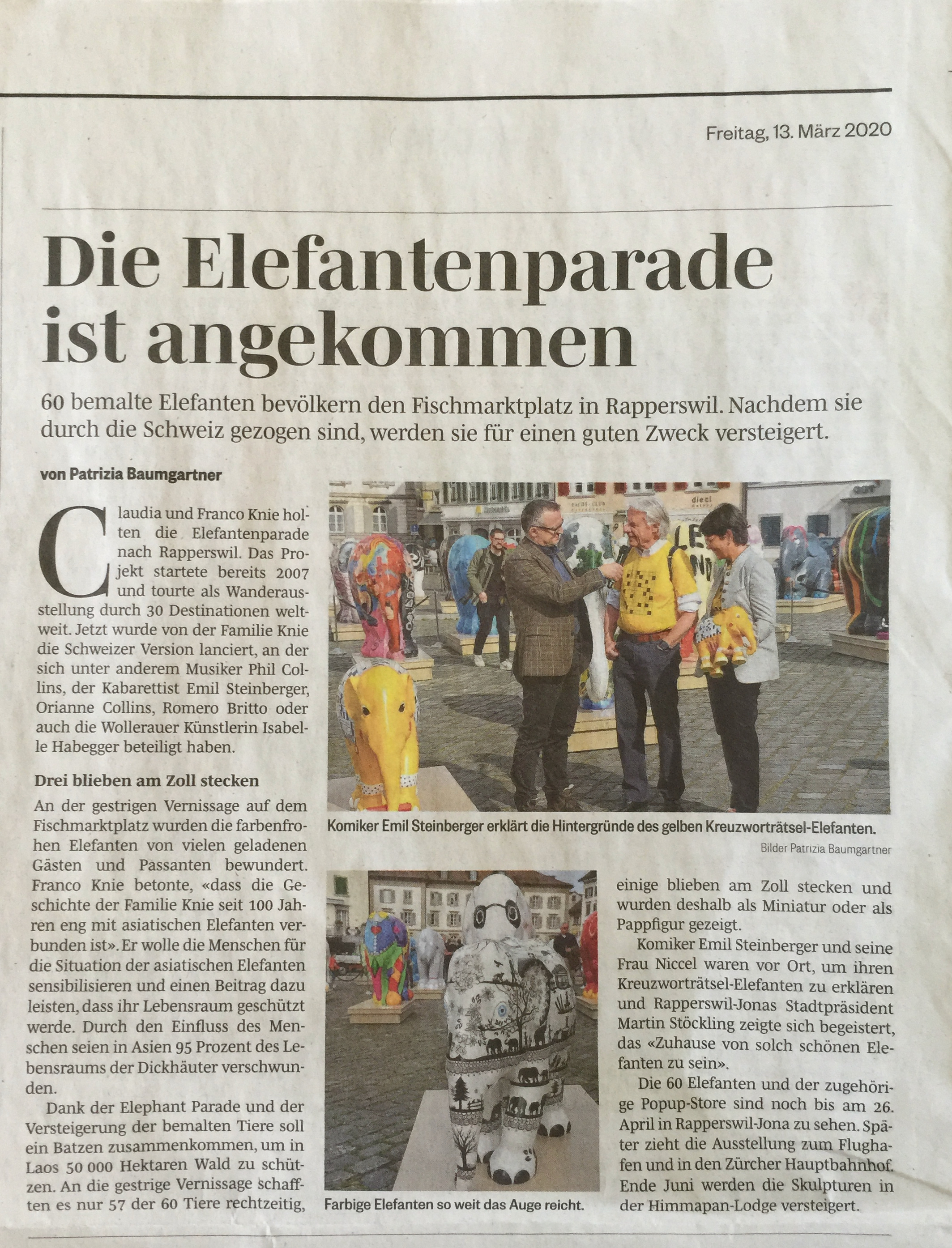
In March 2020, the Swiss Tour kicked off in Rapperswil, organised by Franco and Claudia Knie. More than 60 individually designed elephant sculptures formed part of the exhibition. Further planned stops at Zurich Airport and Zurich Main Station had to be postponed for the time being due to the coronavirus pandemic.
Art · Awareness · Fundraising · Education
Elephant Parade® demonstrates how art can raise awareness, touch people’s hearts and promote social engagement. A portion of the proceeds supports projects for the protection and conservation of Asian elephants.
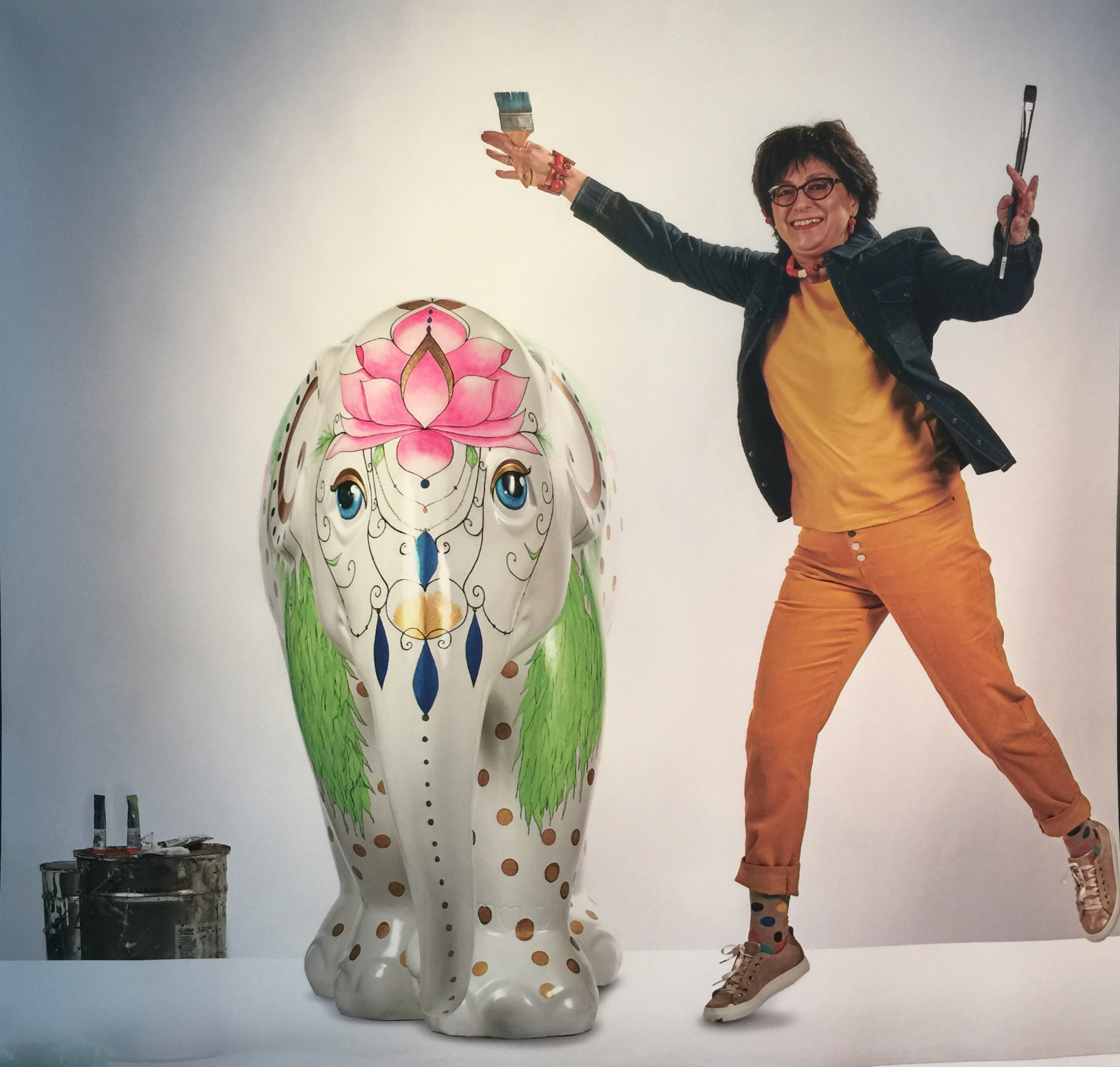
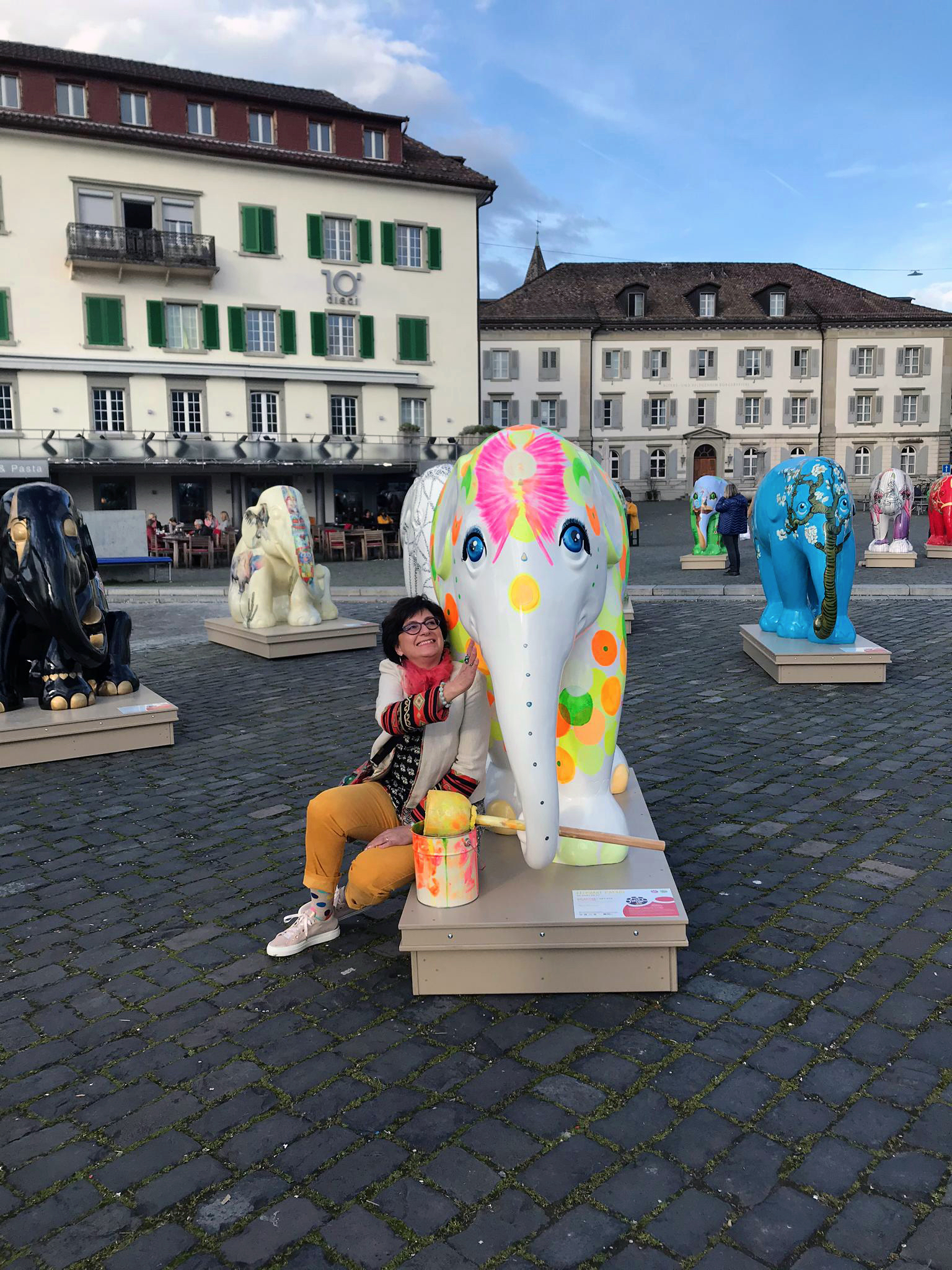
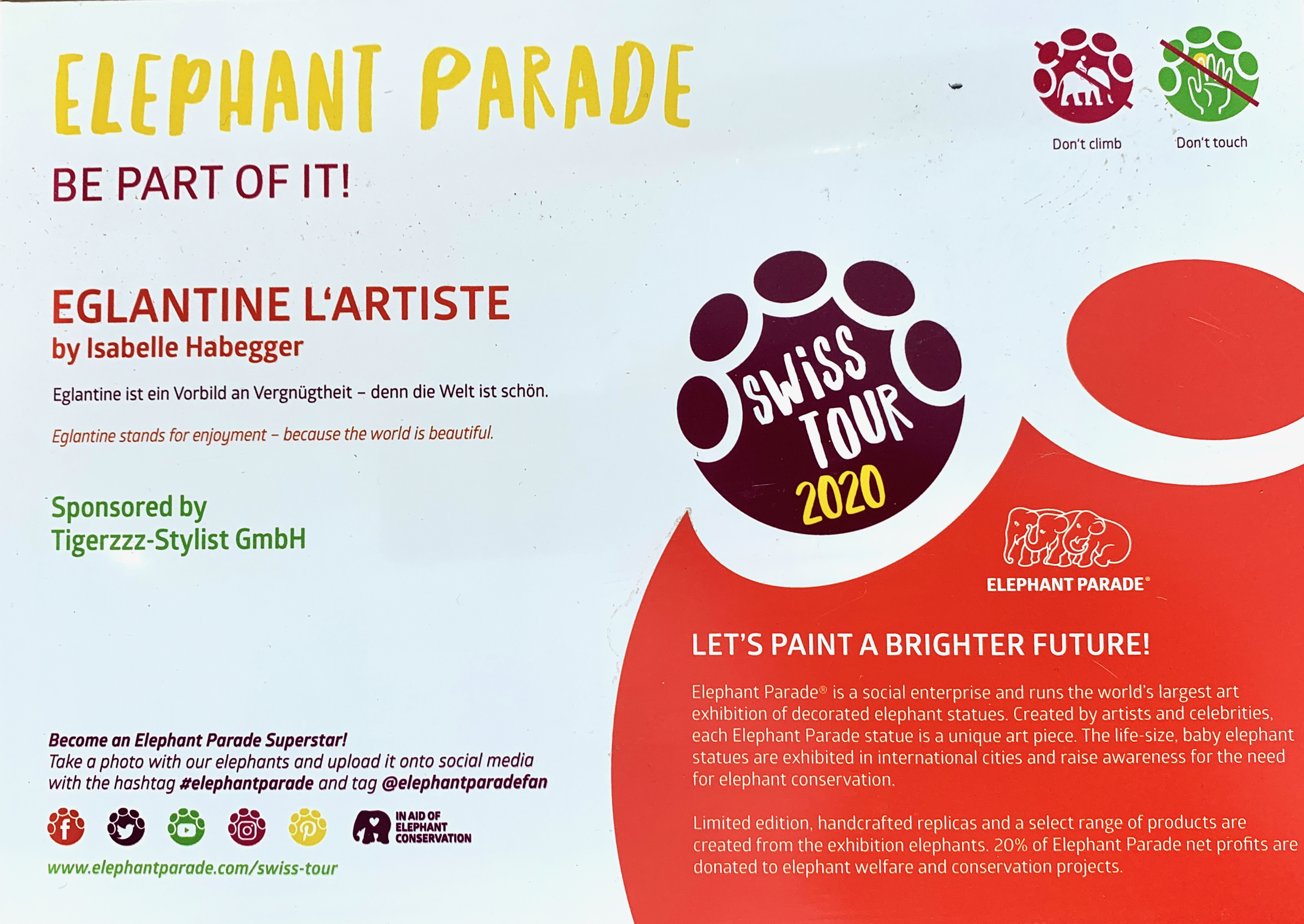
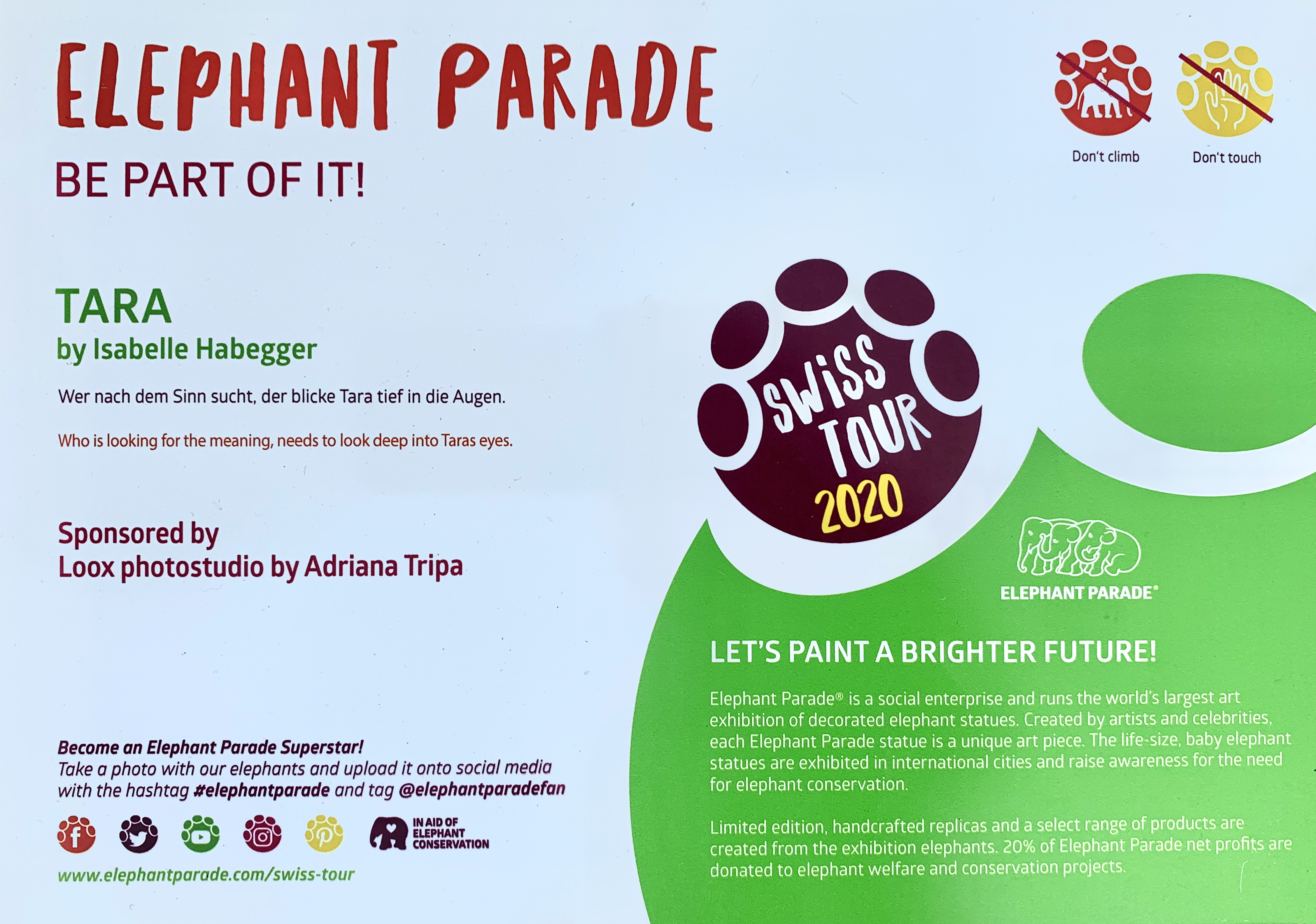
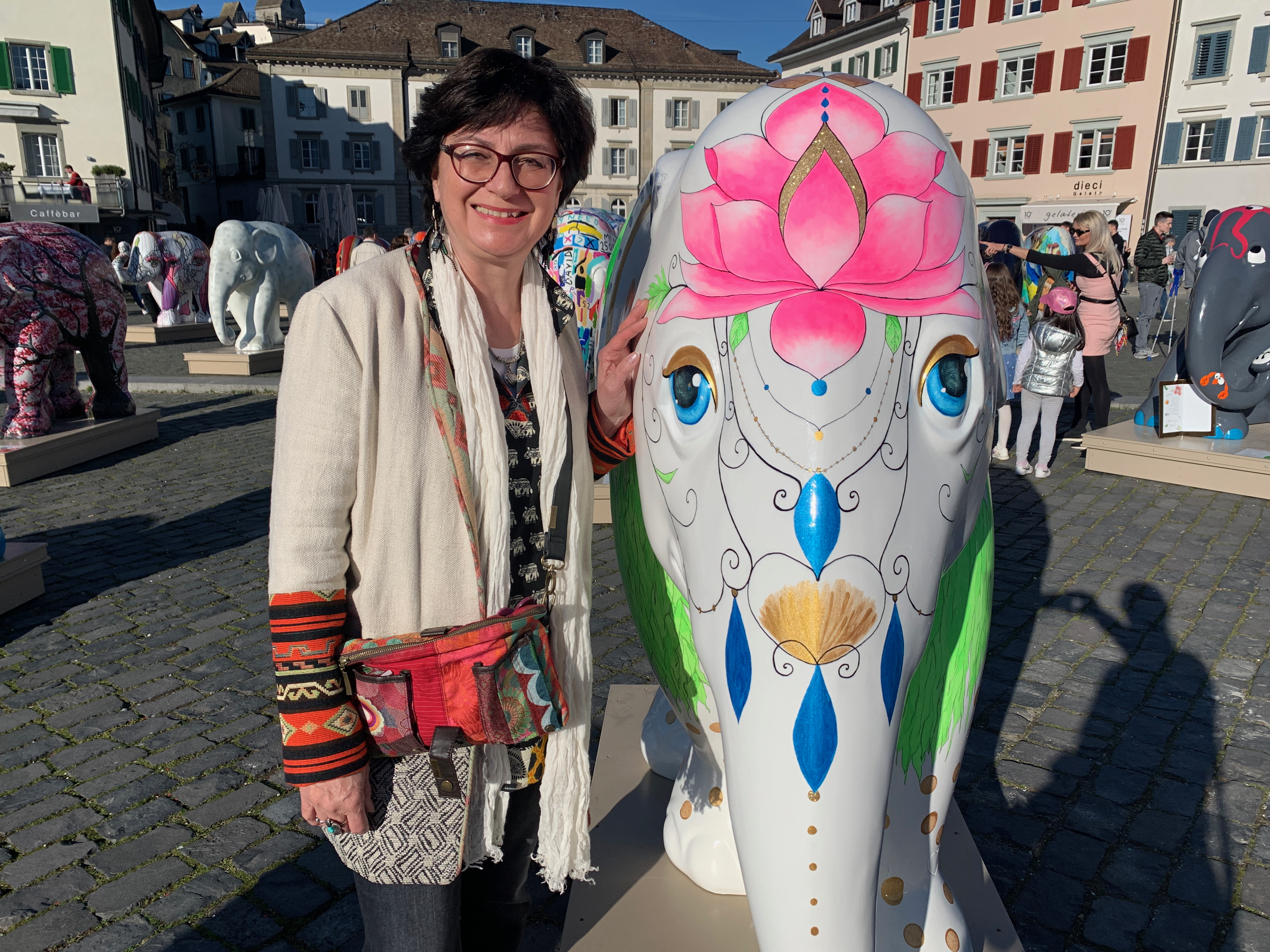
Isabelle Habegger designed two very different characters for the Swiss Tour: Eglantine and TARA.
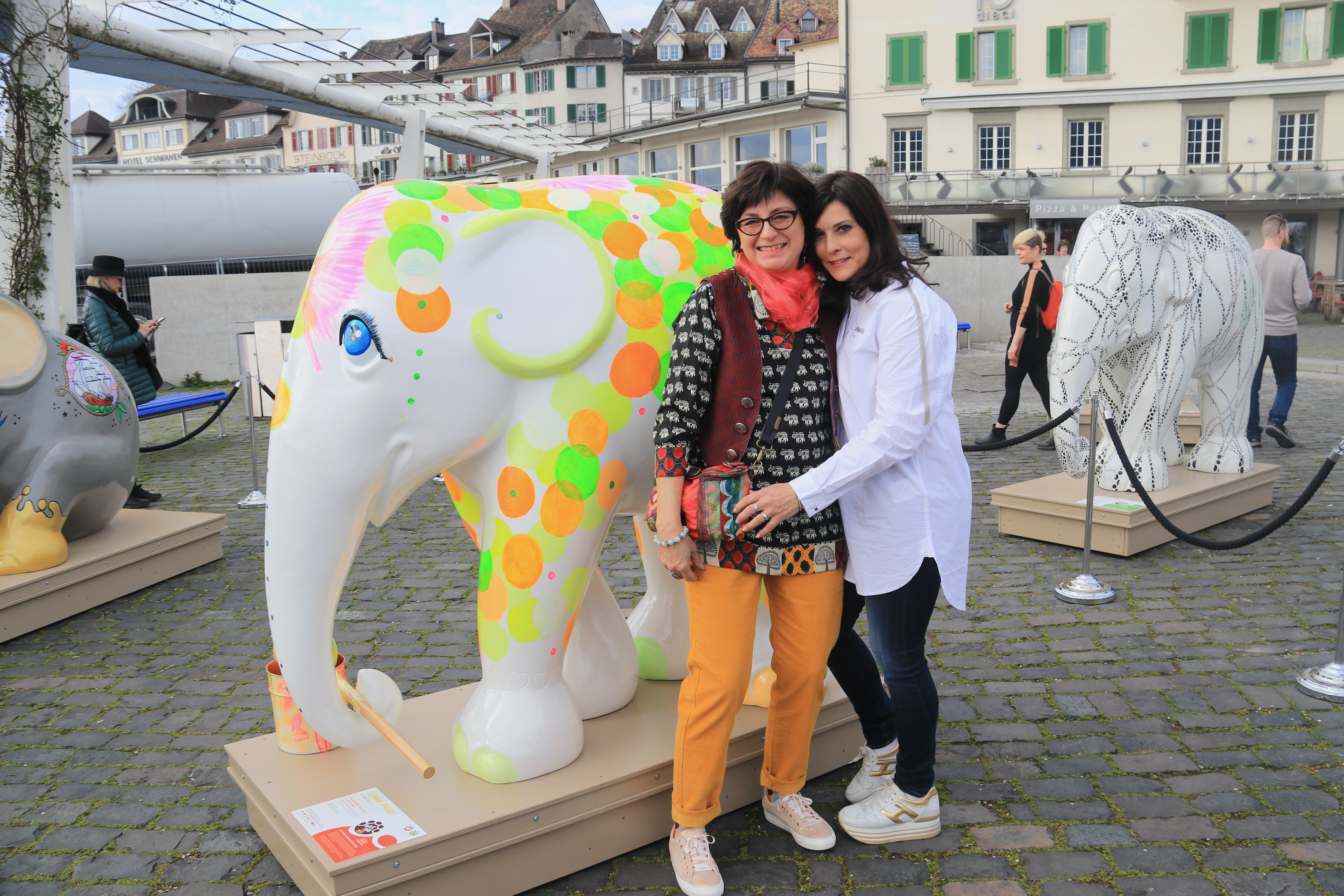
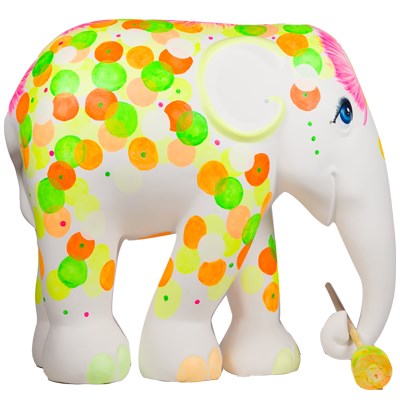
Eglantine, with her colourful design, embodies a zest for life, light-heartedness and a cheerful, cheeky character. She engages directly with her audience and brings the positive power of art to life.
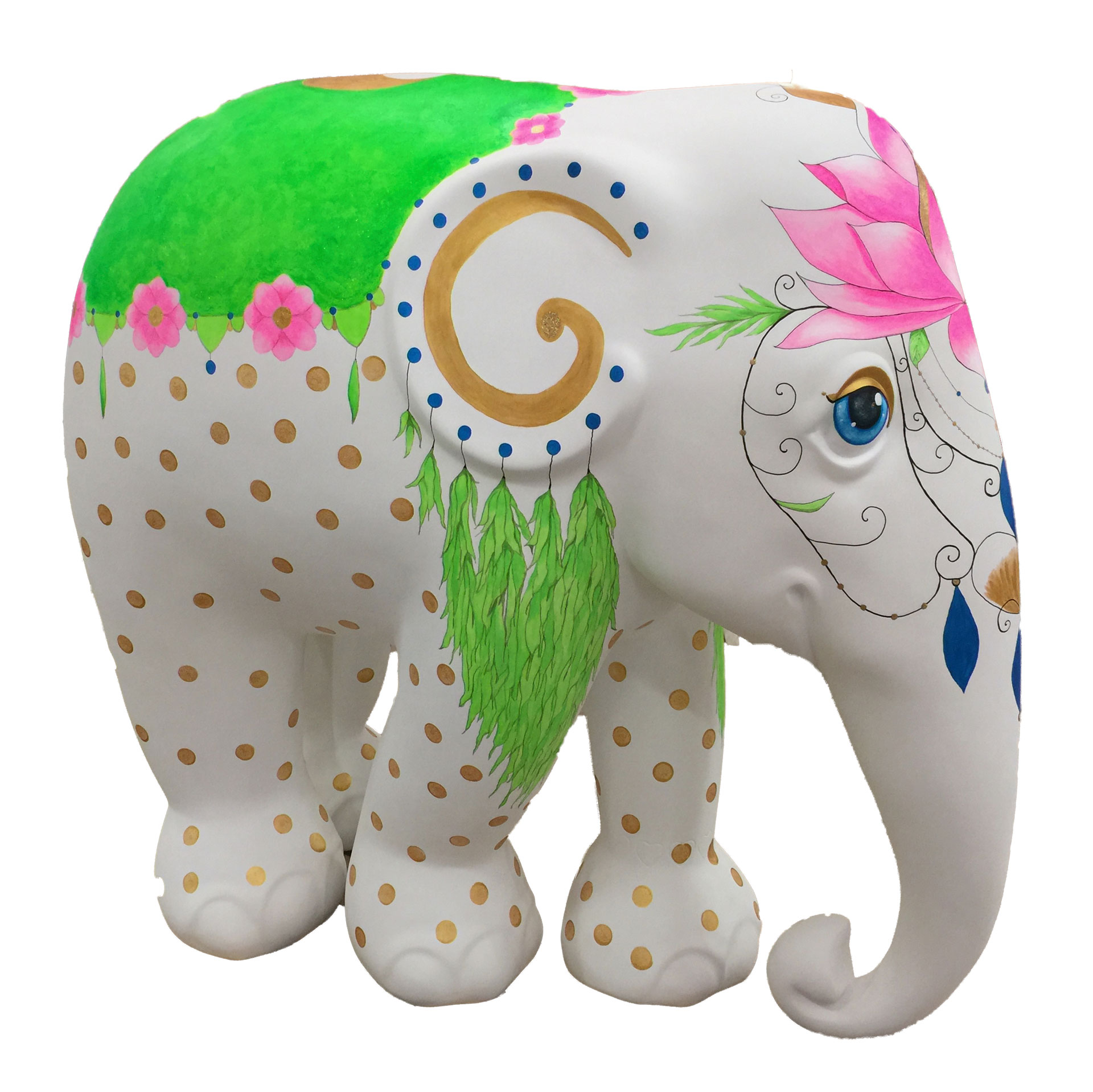
TARA is inspired by the goddess of healing and stands for hope, compassion and enlightenment. In Isabelle Habegger’s interpretation, she becomes a powerful ambassador for confidence, change and faith in a future worth living.
Two distinct characters, united by a shared vision: art as an ambassador for awareness, responsibility and sustainable action.
Let’s paint a brighter future.
Interview with Isabelle Habegger
You came to art via a roundabout route. What was your journey like?
I started painting portraits when I was just 14. When I wanted to enrol at art and design college at the age of 18, my father told me I should learn a proper trade first. So I became a medical assistant; later, I worked in the IT sector. Alongside my job and family life, I continued to be artistically active. At the age of 34, I finally enrolled at the School of Applied Arts.
What sort of art do you create?
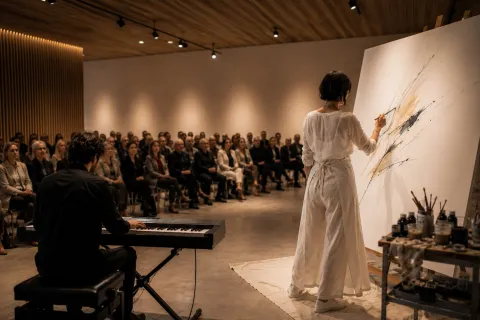
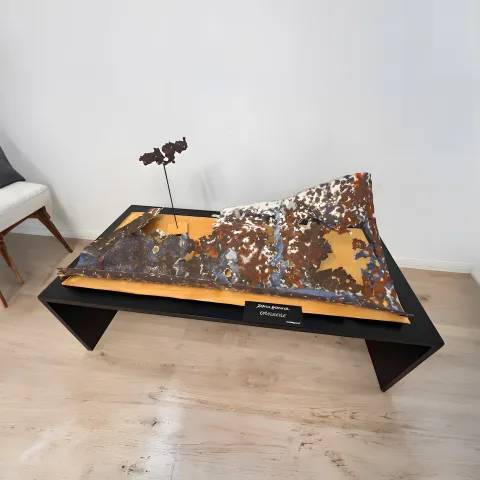
I paint and create sculptures, particularly kinetic installations. Another speciality of mine is performances with musicians. I also teach pupils of all ages.
You created two very different elephants for the Elephant Parade. How did you come up with the idea?
The children’s book ‘Eglantine, la coquine’ gave me the idea to create a cheerful, cheeky elephant designed to appeal particularly to children. Eglantine is down-to-earth, has a mischievous laugh and had the funny idea of painting herself. She’s still holding the paintbrush in her trunk. Of course, she’s got another special surprise up her sleeve.
Will you reveal this surprise?
As well as the orange and green dots, I’ve also added fluorescent dots. They glow in the dark. I really enjoyed painting the mischievous Eglantine. I always had a smile on my face whilst working on her. My pupils really like her.
What went through your mind when you were painting Tara, your second elephant for the Elephant Parade?
I wanted to create an elephant that was both figurative and symbolic. Tara, the Indian goddess of healing, represents that part of myself which I embodied as a medical assistant. With the lotus blossom on her forehead – a symbol of the highest form of enlightenment – she conveys hope for healing. For Buddhists, the pink lotus blossom signifies reaching Nirvana, paradise. Hope is important – for the endangered elephants, for the whole of nature.
Alongside the many symbols, Tara’s eyes also catch the eye.
They kept me awake all night. At first, I didn’t want to paint Tara any eyes, because someone who heals doesn’t need to see – they need to feel. Their gaze is directed inwards. During that sleepless night, however, I did eventually decide to paint eyes – but special ones. Tara’s pupils are speckled with gold; her gaze is dreamy. The entire universe is reflected in Tara’s eyes.
Eglantine
‘This cheerful little elephant girl loves children,’ says artist Isabelle Habegger. ‘She’s a real little rascal and always has a surprising idea up her sleeve.’ For the Elephant Parade, Eglantine secretly reached for her paint pot and brush and gave herself a new outfit. Instead of presenting herself in demure white, she now appears speckled with bright colours. A glance into her mischievous eyes suggests that Eglantine has yet another bit of fun in store – though only for night owls.
Tara
The entire expanse of the universe is reflected in Tara’s eyes. ‘Her eyes show that she is detached from the world, feeling and seeing more than others,’ says Isabelle Habegger, who created Tara. The mysterious female elephant is named after the Indian goddess Tara and, like her, is a healer. The pink lotus blossom and Tara’s shades of green symbolise rebirth and renewal. As an expression of healing and death, Tara bears a yin-yang symbol on her back. “With her depth and her ability to heal, Tara embodies a part of myself,” says the artist.